
Study reveals salmon diet changes across Salish Sea
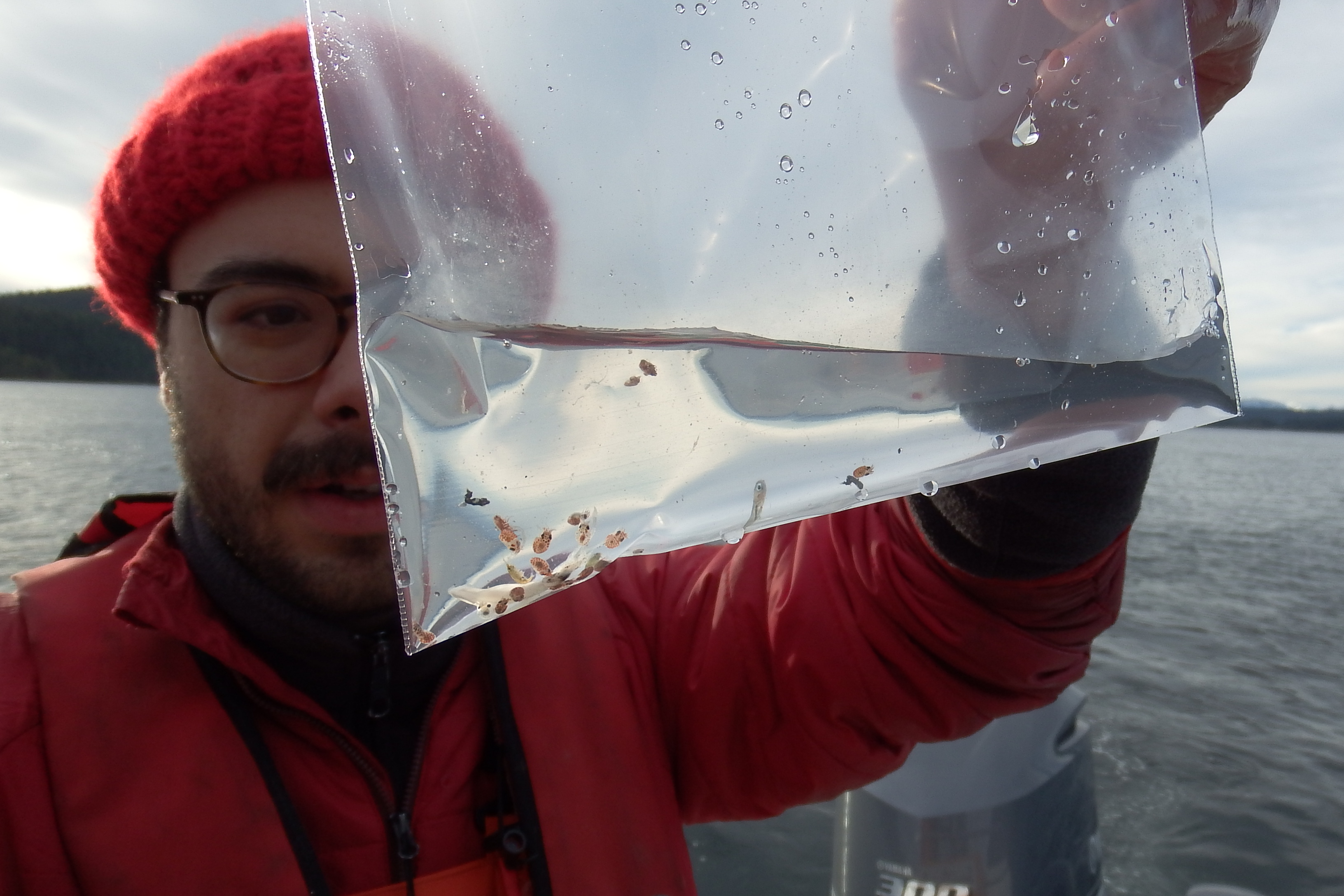
The study, led by PhD student Wesley Greentree in partnership with the Pacific Salmon Foundation, analyzed thousands of salmon stomachs collected by recreational anglers as part of the Adult Salmon Diet Program. The findings, recently published in Fisheries Oceanography , show that salmon diets are closely linked to location and seasonal change. “Chinook salmon are not picky eaters.
Greentree and his team found that Pacific herring remain the most important food source for adult Chinook salmon throughout the year. However, other prey species varied according to location. Typically, researchers analyze salmon stomachs to identify prey diversity. “We can identify the fish and other prey that are in the stomachs that are not digested easily,” said Greentree. ” The study also found that Chinook salmon consume a greater diversity of prey in winter than in summer.
According to Greentree, the fish prey identified in the study corresponded with major oceanographic features in the Salish Sea. Greentree thinks the tides might have pulled deep-sea creatures like the lantern fish into a place where salmon could see and eat them during the day, explaining their sudden presence in the salmon diet. “One of the goals of our projects is to use salmon’s stomachs as an early detection system for changes in the ocean,” said Greentree.
“I’m very interested in all these things we’ve seen [with] the whole ecosystem change in the time I’ve been guiding,” said Rick Hackinen, a local fishing guide in Campbell River and a long-time volunteer to the program. org for more information. “This type of project is only possible with a lot of support and dedication by all of the anglers, as well as other organizations,” said Greentree. “We’re really thankful for all the work that these people have put in.
Source:
View Original Article