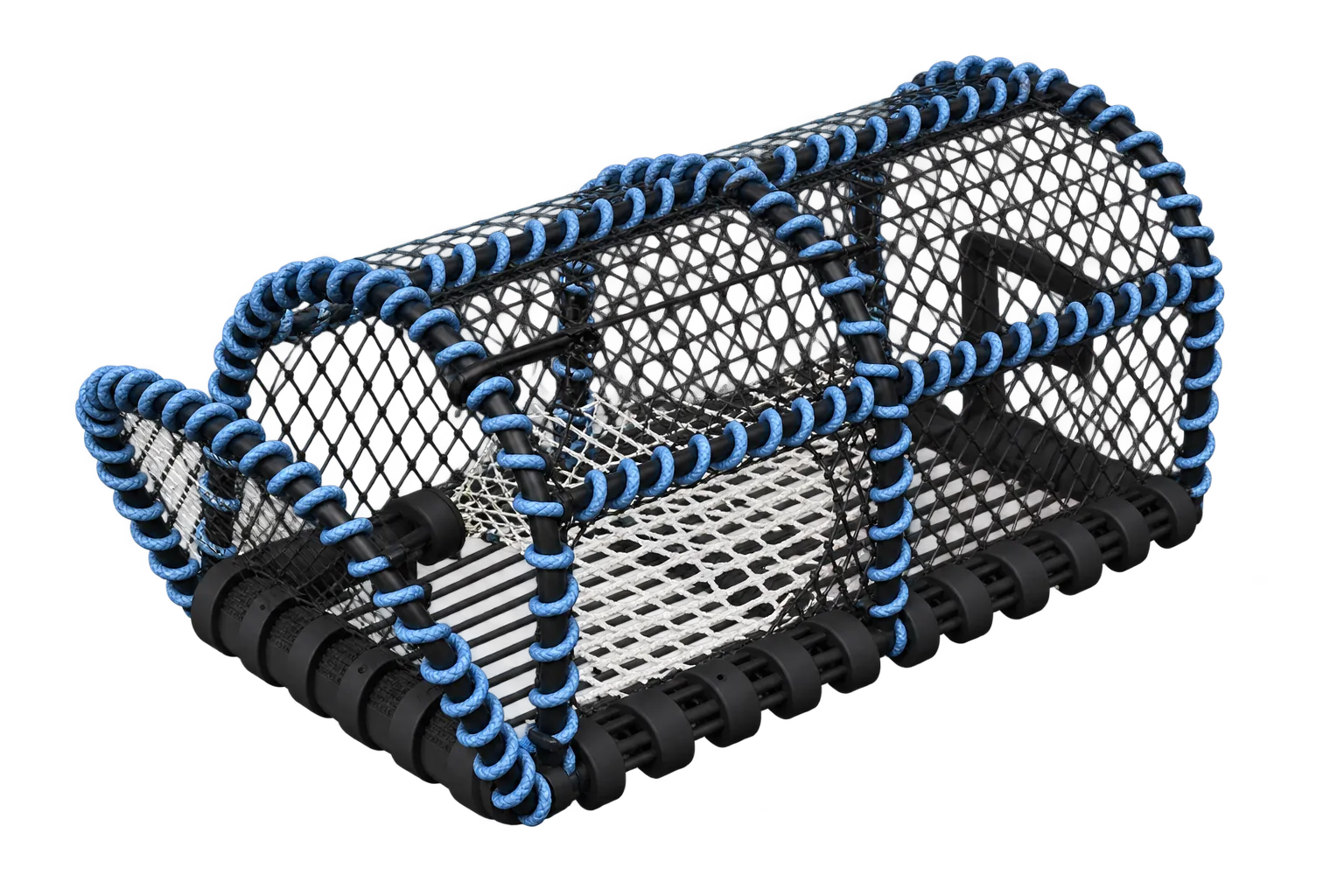
Crab trap
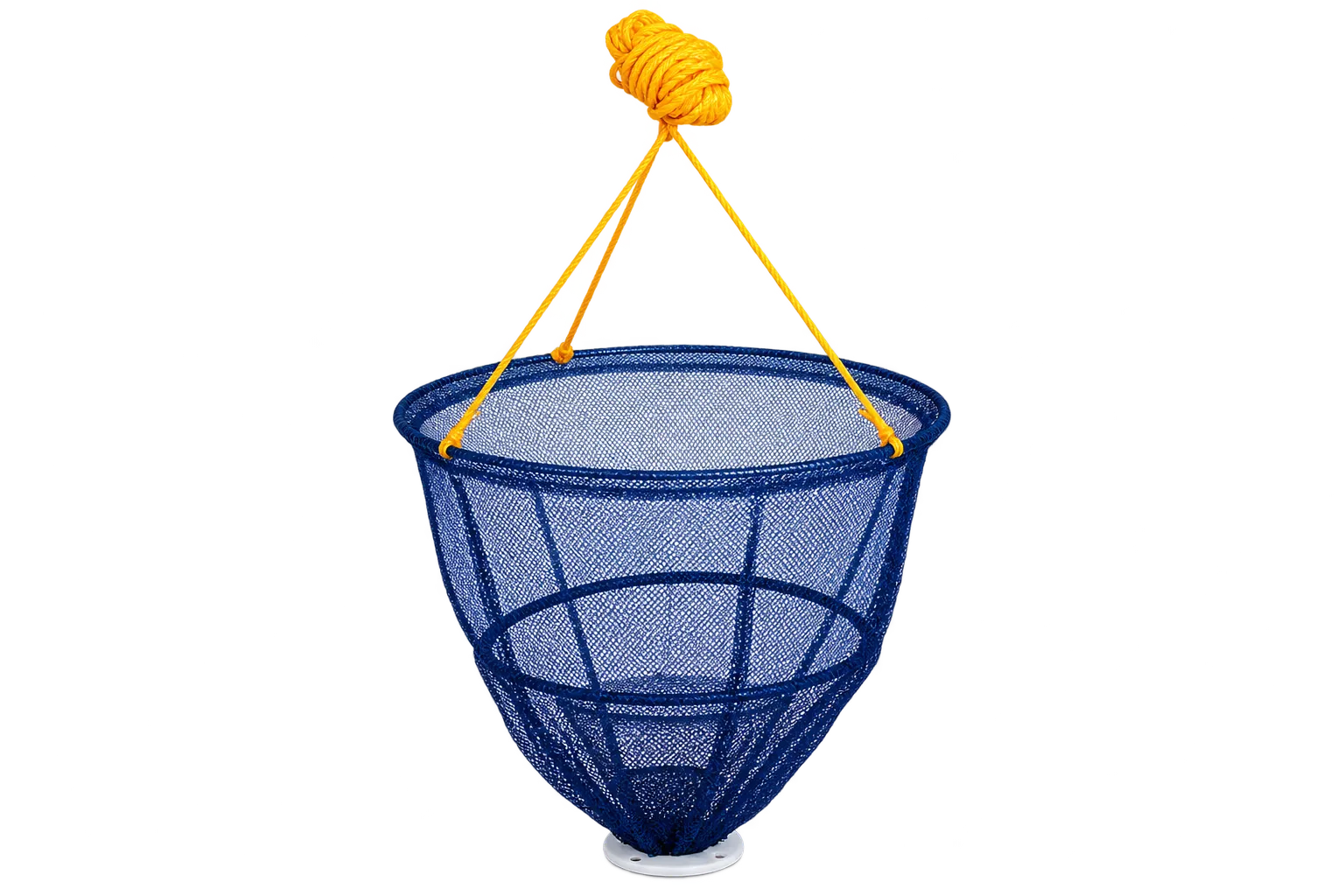
You may throw the net or the cage into the water — either style does the job once it’s baited and set.
Lightweight and easily collapsible. Perfect for kayakers, paddleboarders, or anyone with limited storage space.
Heavy-duty wire or rubber-wrapped cages. Ideal for long overnight soaking and holding larger catches.
Simple and affordable design. Great for active crabbing from piers or docks where you check frequently.
Star-shaped traps that lay completely flat on the ocean floor and snap shut into a pyramid when pulled.
Classic dual-ring design with mesh netting that forms a deep basket to trap crabs when retrieved quickly.
Features a sliding ring mechanism on the main line to securely close and hold the catch during retrieval.
Most individuals who crab from a boat use pot traps, which are large cages with doors that trap the crab inside. These crab traps are ideal for boating since you can put them in and leave them for a few hours, then return to the boat and retrieve them. Though there are some merits and drawbacks to this crab trapping. You can leave them for hours and catch lots of crab per trap, which is good. However, they are expensive and easily get lost as they snag on the bottom.
The folding net traps are best used from a pier. These are little, light traps that you put into the water, wait 15 minutes, and then pick out to inspect! The quick turnaround makes crabbing more thrilling and dramatic, and they're really more effective than large pots. They're not heavy, and therefore you can easily carry them around. These crabbing nets are cheap, and they make your crab fishing easier and faster.
Crabbing season is when the crabs are most plentiful and meatiest, so you may do it any time of year; however, this is when you should capture them to optimize your catch. However, the best time for crabbing on Vancouver Island is October to January, when they are frequently at their biggest and numbers are at their peak following spawning. The commercial crabbing season begins on July 1st; therefore, crab fishing during this period is not recommended because most crabs will be small.
The optimum time to go crab harvesting is when there is slack water (also known as slack tide), which is the interval between high and low tide. Crabs won't be driven around by strong currents or waves during this period, so they'll be out foraging on the beach.
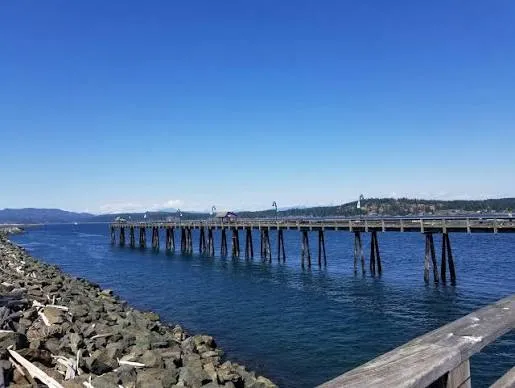
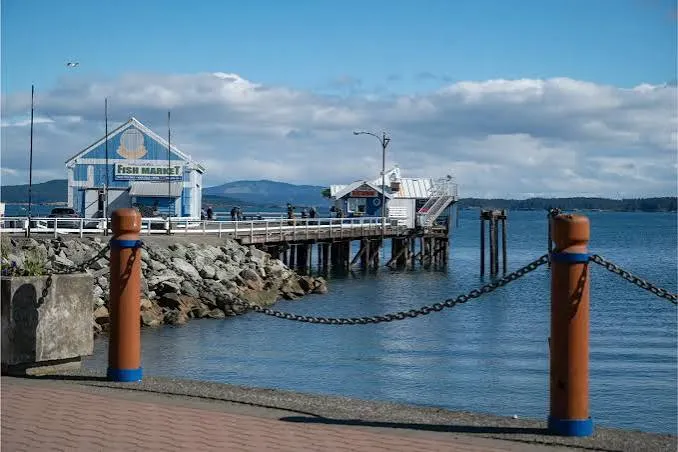
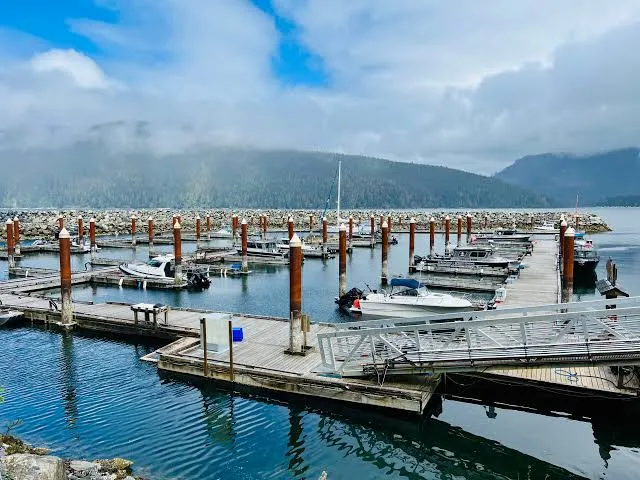
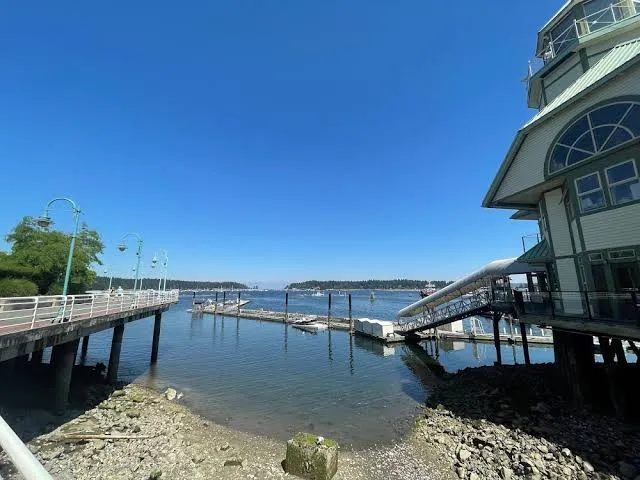
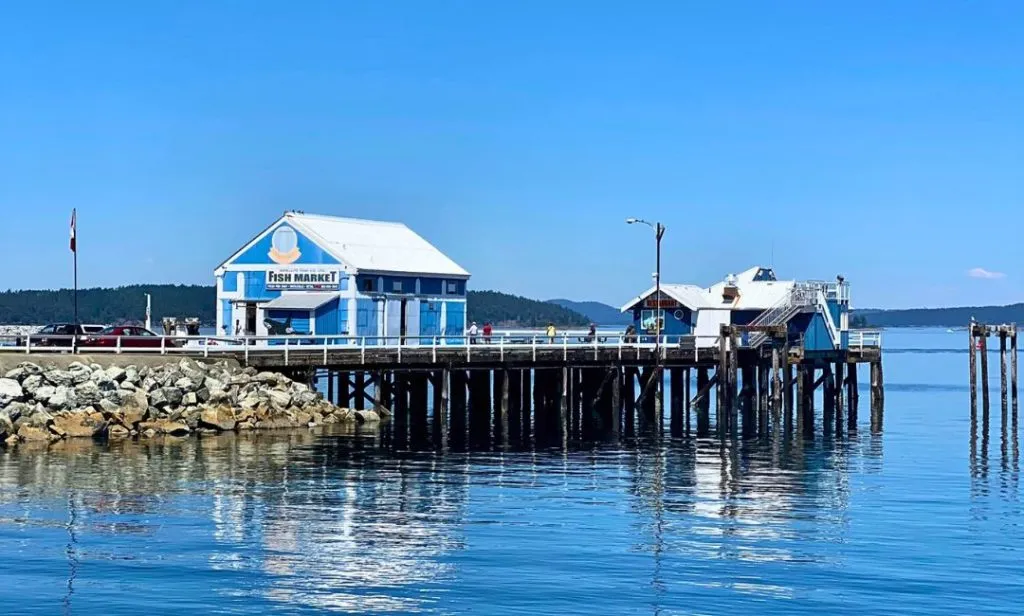
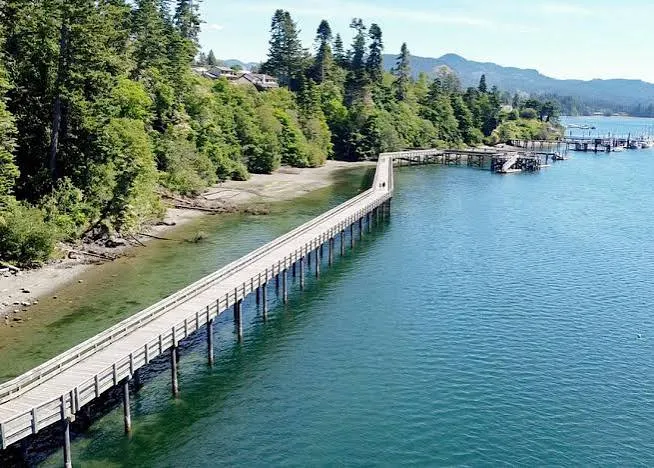
If you're already asking, "Where are the best crab fishing spots near me," the good news is that Vanisle Fishers are here to answer that question. Crabbing is a year-round activity on Vancouver Island.


Quality foods sell chicken backs and necks for $3 each. In each trap, place one back and neck. This method is the ideal crabbing bait since it does not attract seals or otters, ensuring that your crab traps are not destroyed! This bait is quite popular with crabs for two reasons: one, it was the first thing that showed up online as a decent bait, and two, I had something to feed the kids if they became hungry while we were out crabbing.
Can be used, although they're more likely to attract a seal, otter, or Sunstar to your trap.
In a pinch, canned cat food will suffice, although it isn't as effective as the more effective crab bait.
Vancouver Island crab regulations — gear, size, and handling rules at a glance.
Wide, rounded abdomen. Illegal to possess — release right away.
Narrow, tapered abdomen. Legal to keep if it clears the size minimum.
Crab fishing on Vancouver Island is something you prepare for in advance — crabbing lets you pull these crustaceans fresh from the water. Gear for ocean, sea, or river crabbing all differs slightly, but this is the kit that gets you out on the dock with everything you need.
You may throw the net or the cage into the water — either style does the job once it’s baited and set.
A line that connects your trap to a boat or dock. Some just use a stick or a piece of wood, or wrap the line around a folding trap instead.
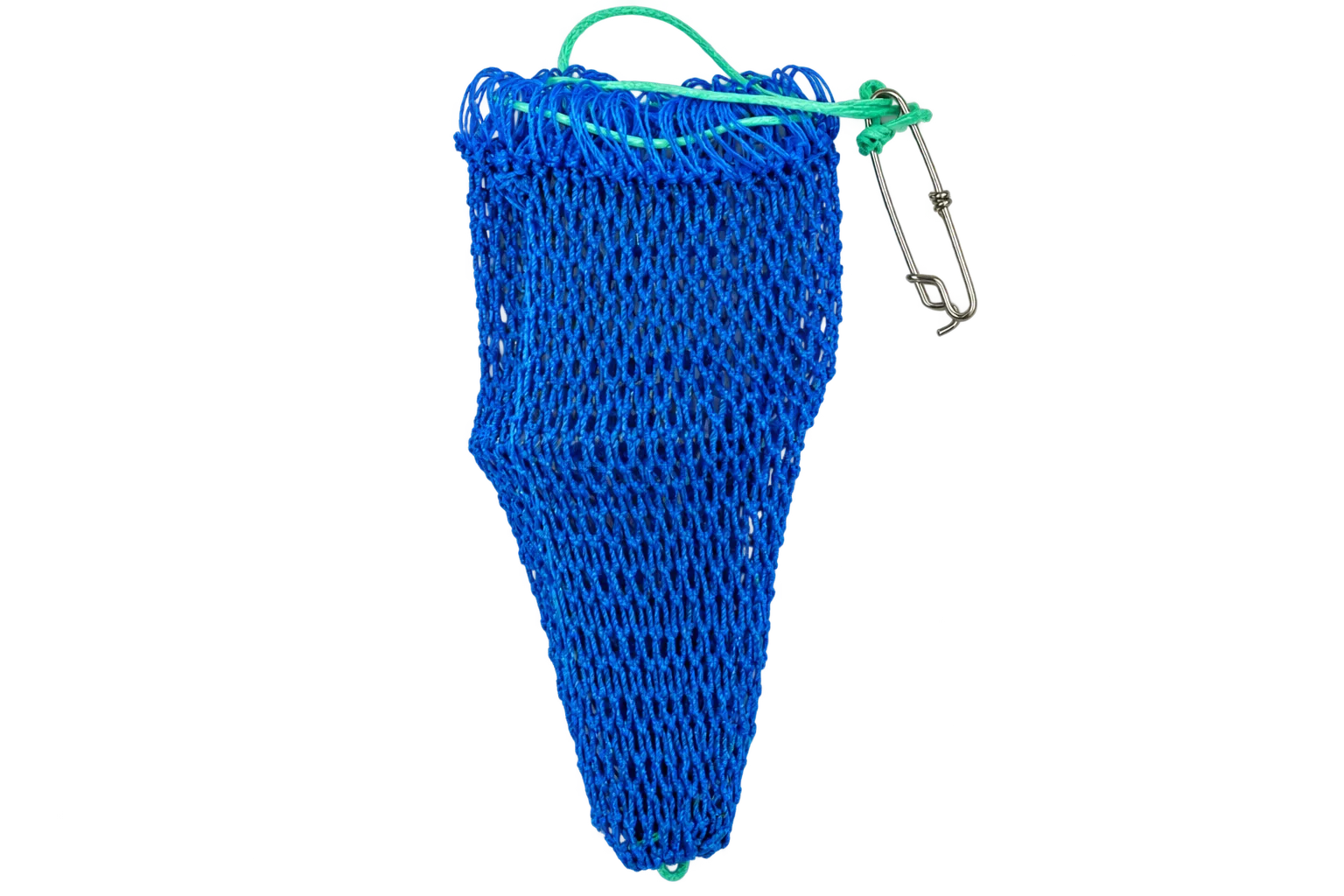
A dedicated bait bag is a favourite among crabbing regulars, though plenty swear by a suet-cage instead. The bag that ships with most traps works, but it tears over time and holds less bait as it wears.
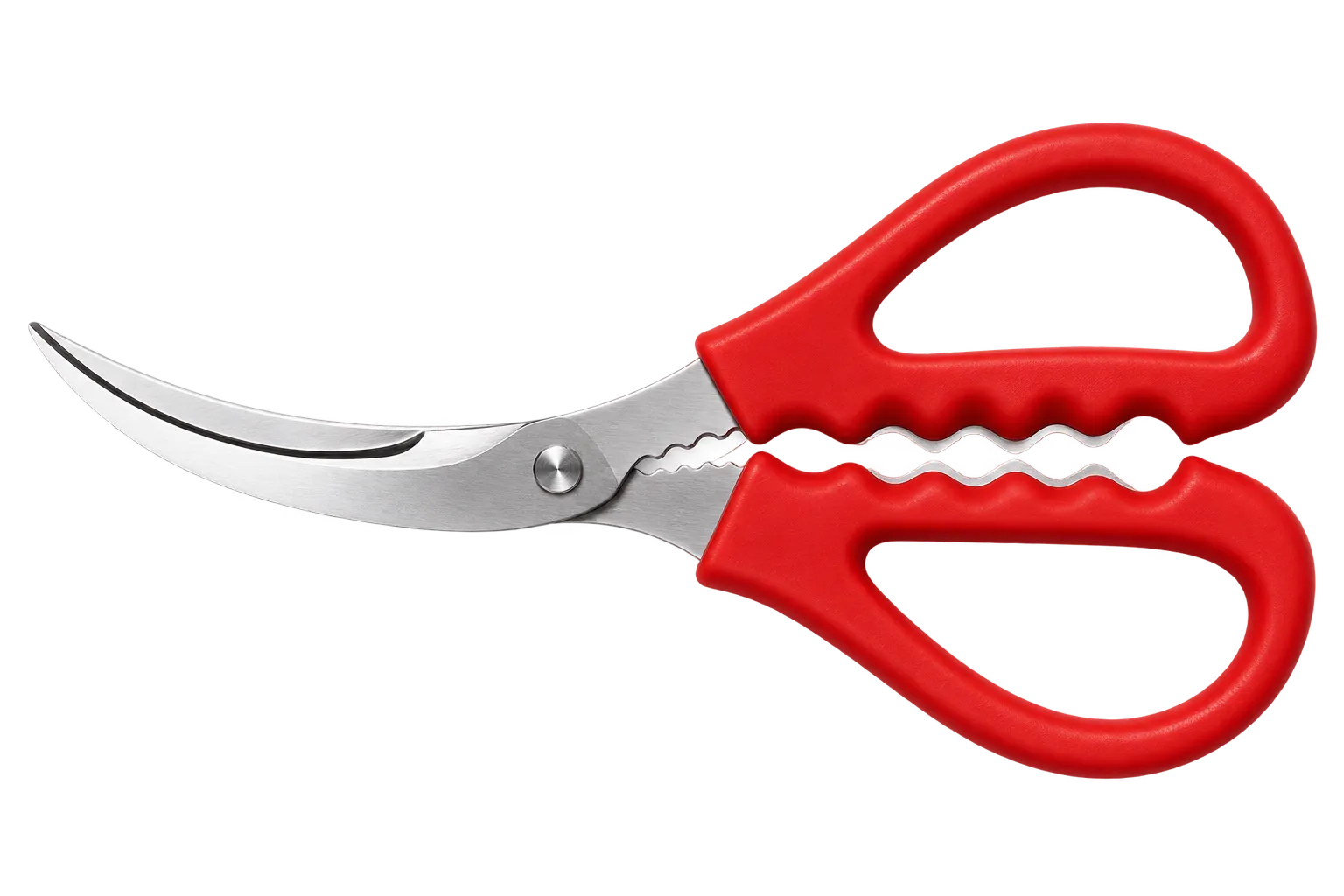
Bring these along if needed, for mending your trap or freeing your catch on the spot.
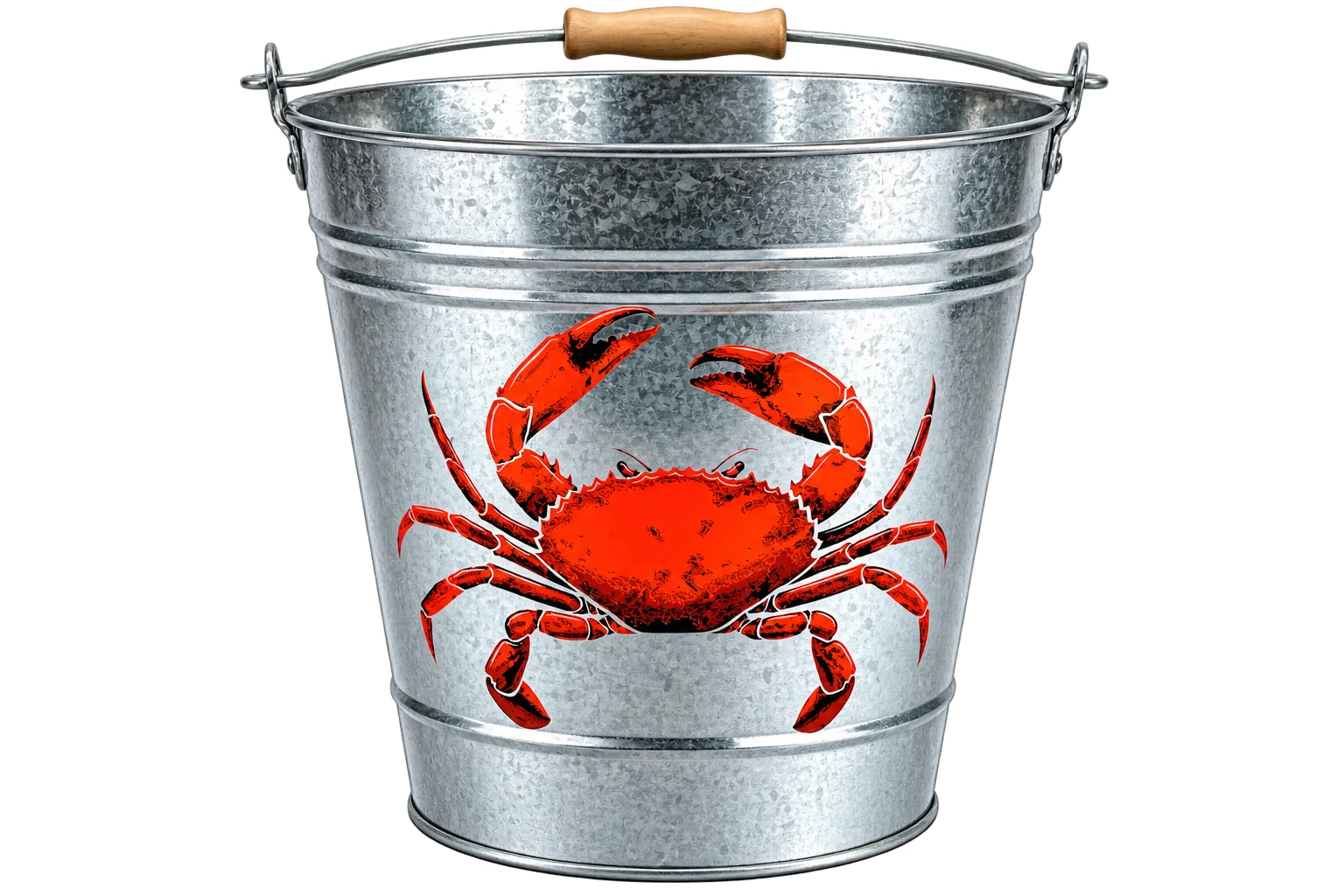
To keep your catch safe, a bucket from the hardware shop works best. Add just enough water to cover the crab — enough that they can still lift their faces for air.
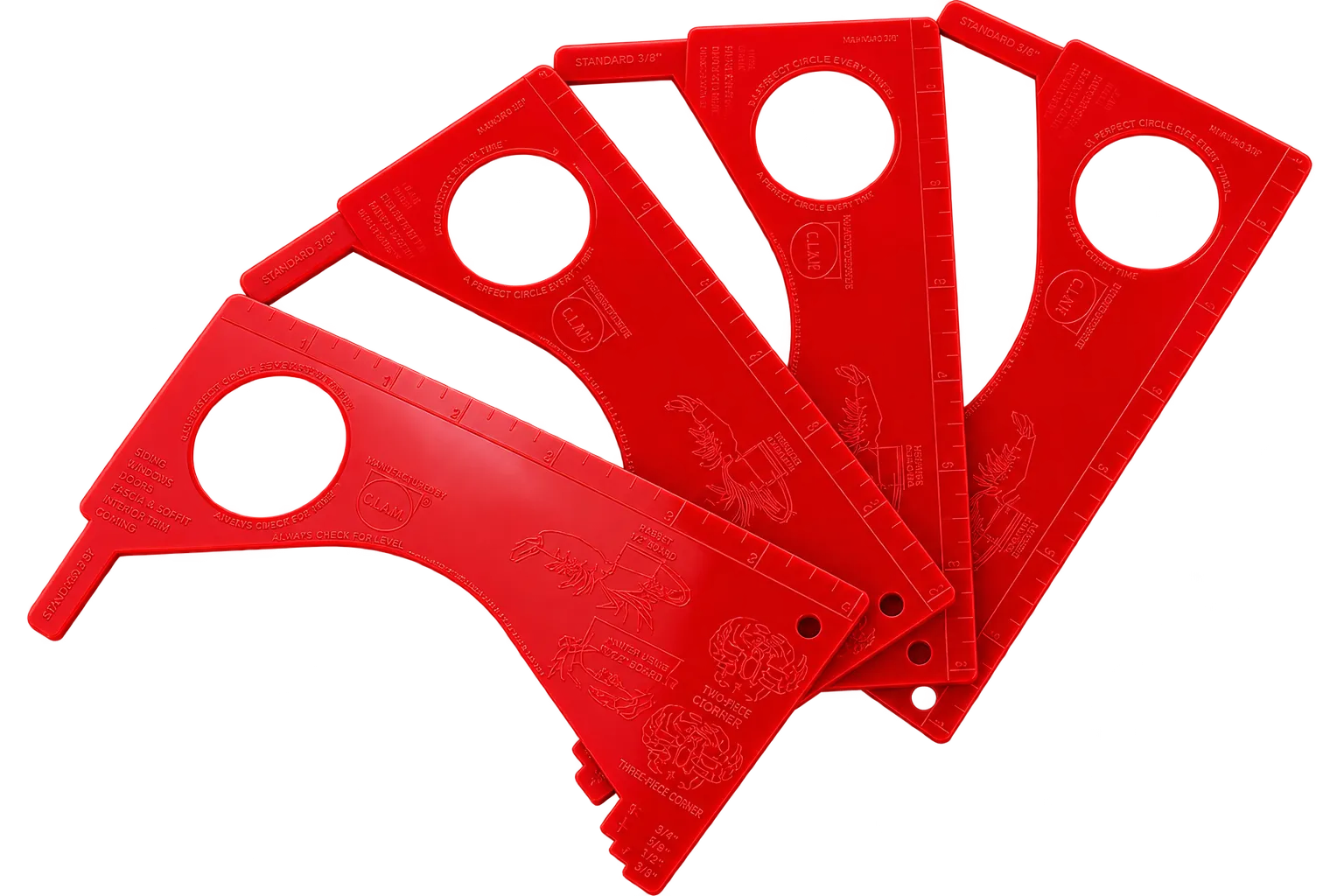
To know how big your catch is, and whether it clears the line, before it goes anywhere near the bucket.
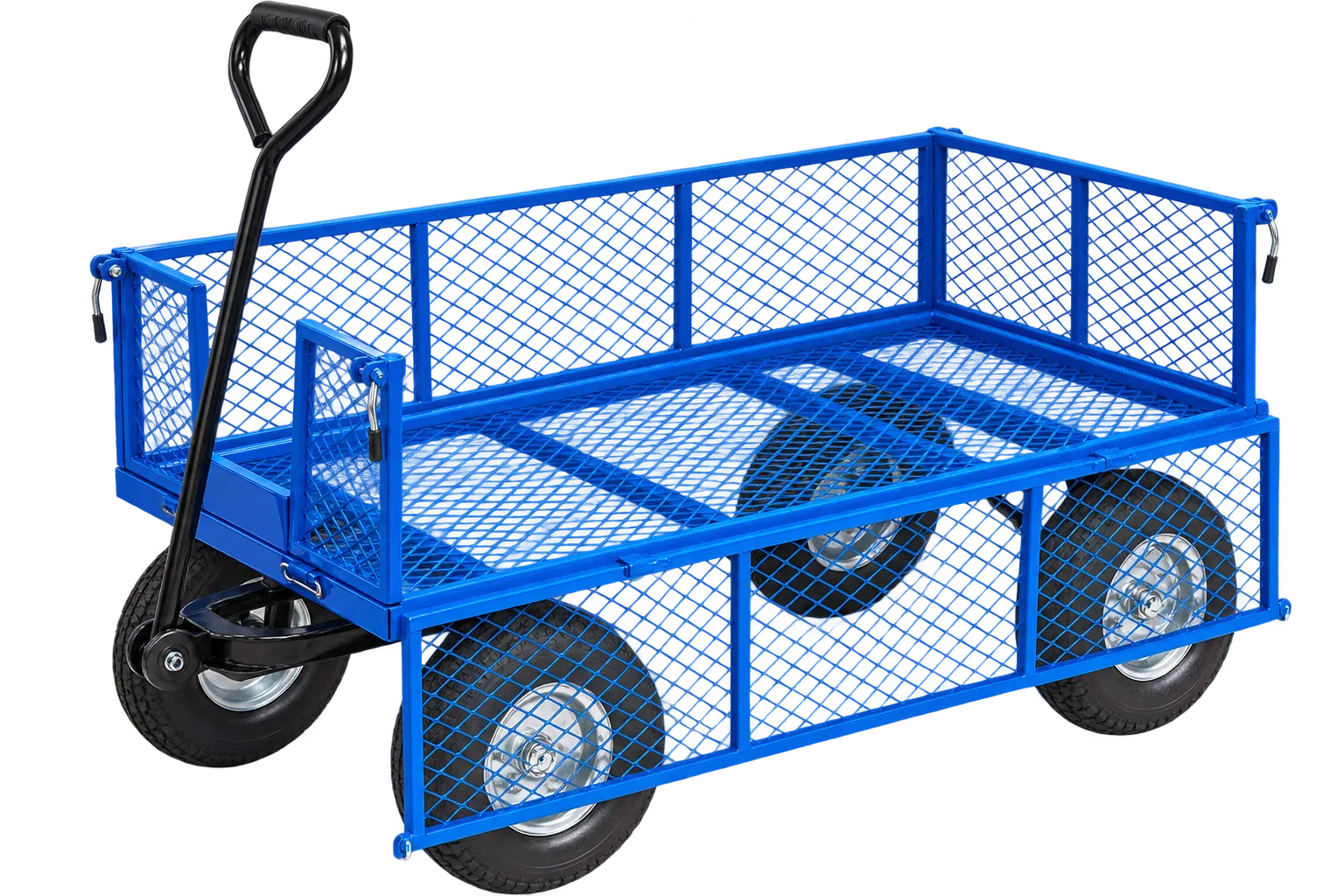
For hauling your catch and equipment back — it gets heavy fast once you’re anywhere near your limit.
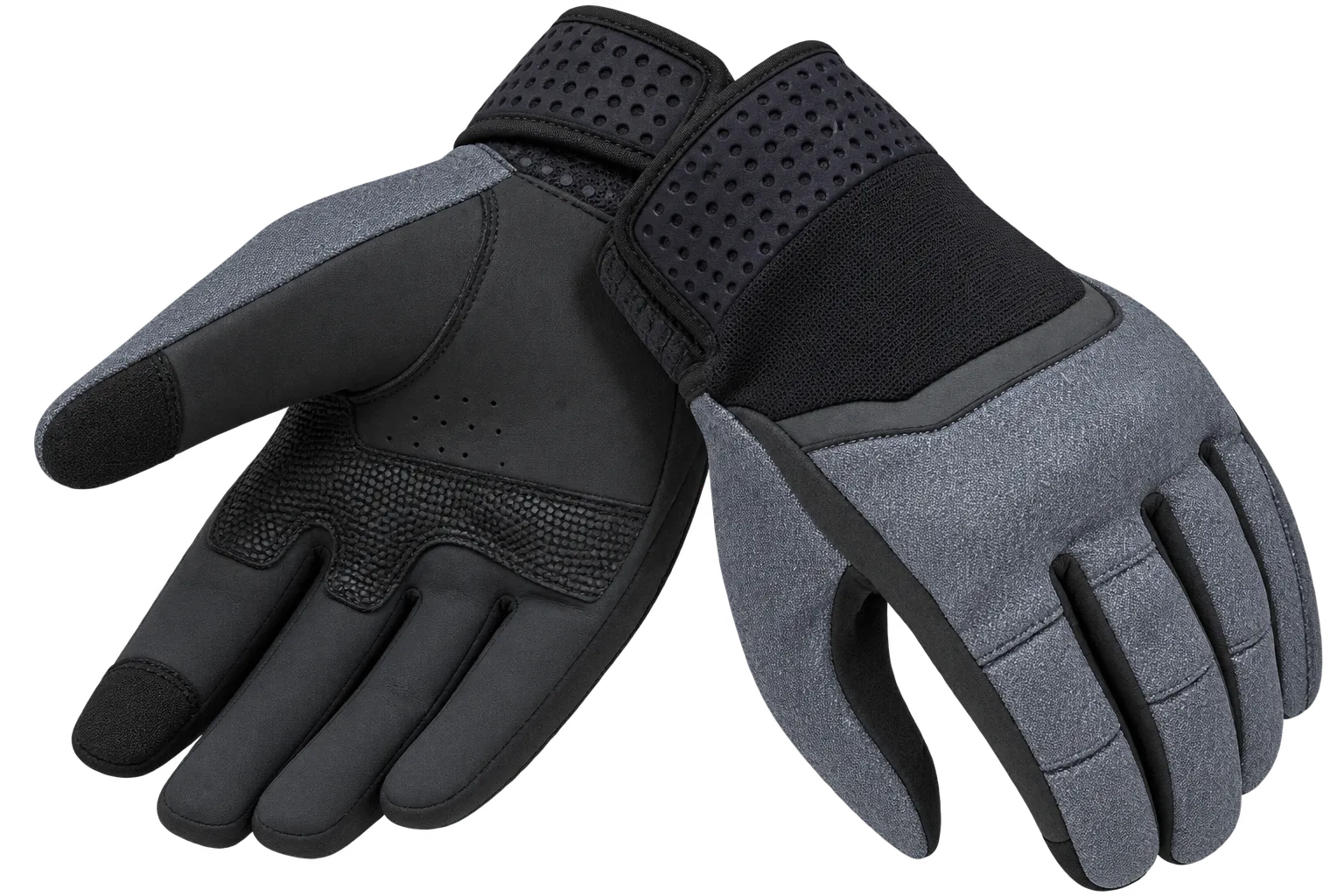
Proper gloves protect your hands, fingers, and wrists. A crab’s pincers can easily break the skin — unpleasant on its own, and prone to infection if it’s not treated promptly.
If you are interested in fishing we have good news for you; Vancouver Island offers some of the best fishing destinations and spectacular fish species. Click here to check all you need to know about Vancouver Island fish species before fishing on this stunning island!
Read MoreIn British Columbia, all fishermen must obtain a licence to fish in tidal (salt) waterways. Because many fishing spots lack an Independent Access Provider that offers fishing licences, it is preferable to acquire your licence online before heading out. Annual licences are available and are valid from April 1 to March 31.
Read MoreEverything you need to know about Vancouver Island crabbing seasons, licensing regulations, and gear.
Yes, crabbing may be done at night. Crabs are nocturnal species that become more active when the sun sets, making them simpler to catch than during the day. The one thing you should double-check before going crabbing when the sun sets is your local restrictions.