Best Spots, Seasons, Gear & Guided Trips (2026)
Looking for the ultimate Dungeness crab fishing experience on Vancouver Island? The best season runs October to January for the largest, meatiest crabs. The best depth to drop your traps is between 5 to 15 meters (15 to 50 feet) over sandy or muddy bottoms.
The best method is using wire crab pots or ring nets baited with fresh chicken or squid during slack tide. Whether you're fishing from a public pier or a kayak, the island offers world-class recreational crabbing opportunities year-round, provided you follow local tidal regulations.
The island is famous for:
Vancouver Island boasts a diverse and nutrient-rich marine ecosystem. The cold, clean waters of the Pacific Ocean, combined with extensive eelgrass beds and rocky reefs, create the perfect habitat for wild Dungeness crab populations to thrive.
Unlike heavily pressured commercial zones, Vancouver Island offers numerous accessible public docks, piers, and shoreline spots where recreational Dungeness crab fishing is highly productive. The island's unique tidal systems also provide predictable slack water periods, making it easier for anglers to deploy and retrieve crab traps safely and efficiently.
Looking for experienced saltwater fishing guides, crabbing charters, or local fishing businesses? Browse trusted Vancouver Island fishing vendors and charter operators.
Recreational crabbing is available year-round in many areas, but local closures and regulations may apply. Always check the latest BC tidal water regulations before heading out.
The optimal time, widely known as the best time to catch Dungeness crab on Vancouver Island, spans from October through January. During this period, these delectable crustaceans are at their largest and meatiest, with numbers peaking following the summer spawning period. Water temperatures cool down, which keeps the crab meat firm and sweet.
When considering what time of day yields the best results, targeting slack water (also known as slack tide) is paramount. Slack water refers to the brief interval between high and low tide when the water current is minimal. During this period, Dungeness crabs are less likely to be driven around by strong currents, making them more accessible for foraging along the bottom and much more likely to enter your baited traps.
| Fishing Method | Best For | Top Locations | Difficulty |
|---|---|---|---|
| Crab Pots / Traps | Deep water Dungeness | Fanny Bay, Port Renfrew | Moderate |
| Ring Nets | Shallow docks & piers | James Island, Sooke | Beginner |
| Hand Picking / Dip Net | Tidal pools & shores | Swy-a-lagoon, Clam Cove | Beginner |
| Kayak Crabbing | Mobile shoreline access | Tofino, Ucluelet | Advanced |
Catching Dungeness crab requires the right approach, whether you are using traps, ring nets, or fishing from the shore.
The most reliable and popular method. Drop baited crab pots to the sandy bottom, wait 30 to 60 minutes, and retrieve them using a sturdy spool and line.
Ideal from docks, piers, or kayaks. Place bait in the center of the net, lower it to the bottom, wait for crabs to feed, and pull up quickly before they escape.
Catching Dungeness crab by hand is a popular method for shore anglers and children, particularly in shallow tidal pools or off rocky shorelines at low tide.
Selecting the right gear is crucial for a successful trip.
When choosing a crab pot, look for galvanized steel or PVC-coated wire for durability in saltwater. Rectangular or pyramid shapes work best for bottom stability. Ensure the trap has funnel-style entrances and meets BC regulations by featuring two unobstructed circular escape rings (minimum 105 mm diameter) to allow undersized crabs to leave.
If you are crabbing from a public pier or dock, space and handling are important factors. The best types include:
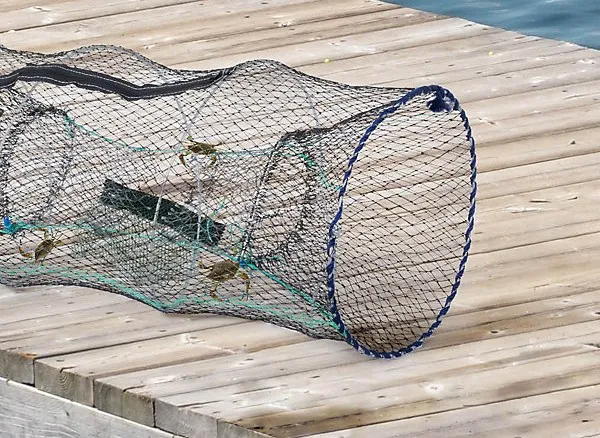
Easy to store, lightweight, and simple to deploy from docks, kayaks, or small boats. A popular choice for beginners and recreational crabbers who want a portable trap that can be quickly dropped and pulled up by hand.
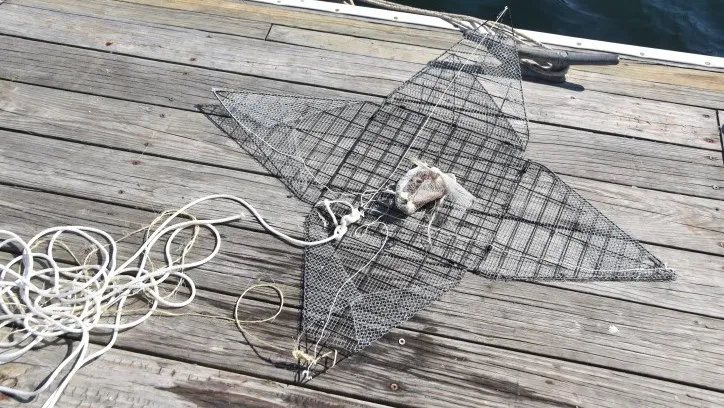
Compact, stable on the ocean floor, and designed to stay in place in areas with moderate currents. Their shape makes them easy to rebait and a practical option for dock and boat-based crabbing.
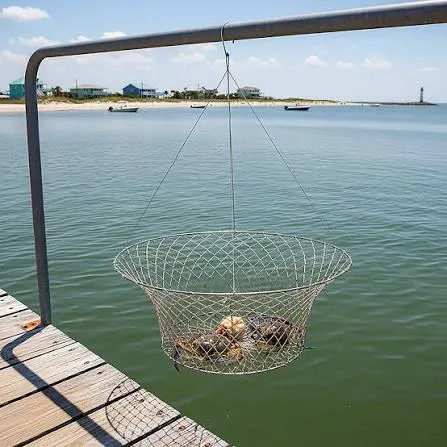
Excellent for shallow dock waters and shoreline crabbing. These simple ring nets sink quickly and allow crabbers to see when crabs are feeding before pulling the net up.
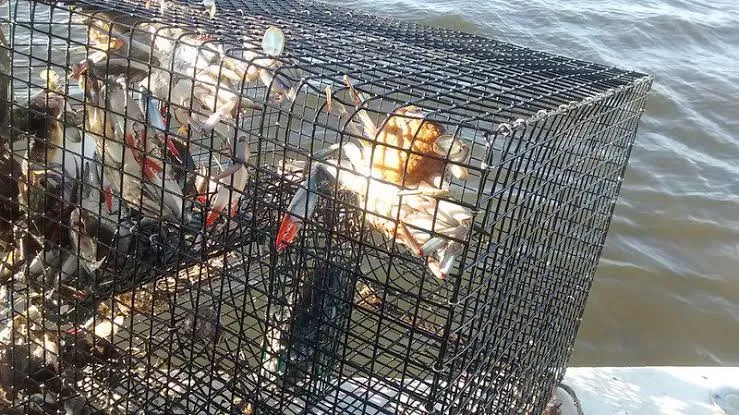
Heavy-duty and built for serious crabbing from boats. These rigid traps provide excellent stability on the seafloor, hold more bait, and are ideal for deeper waters and areas with stronger tides.
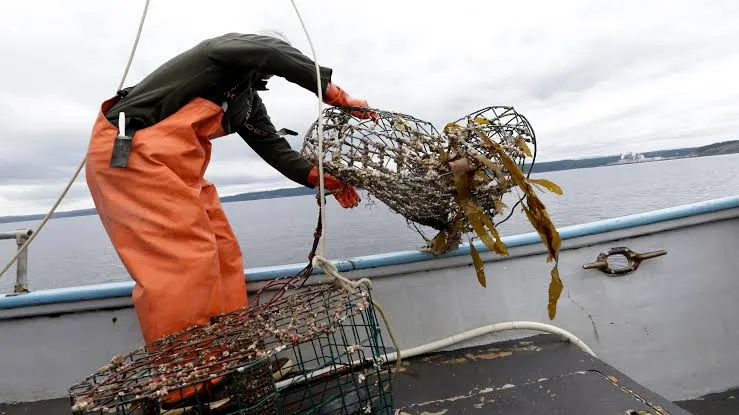
Simple, fast, and easy to operate from docks or small boats. Pull traps are designed for quick checking and frequent retrieval, making them a good option for short crabbing sessions.
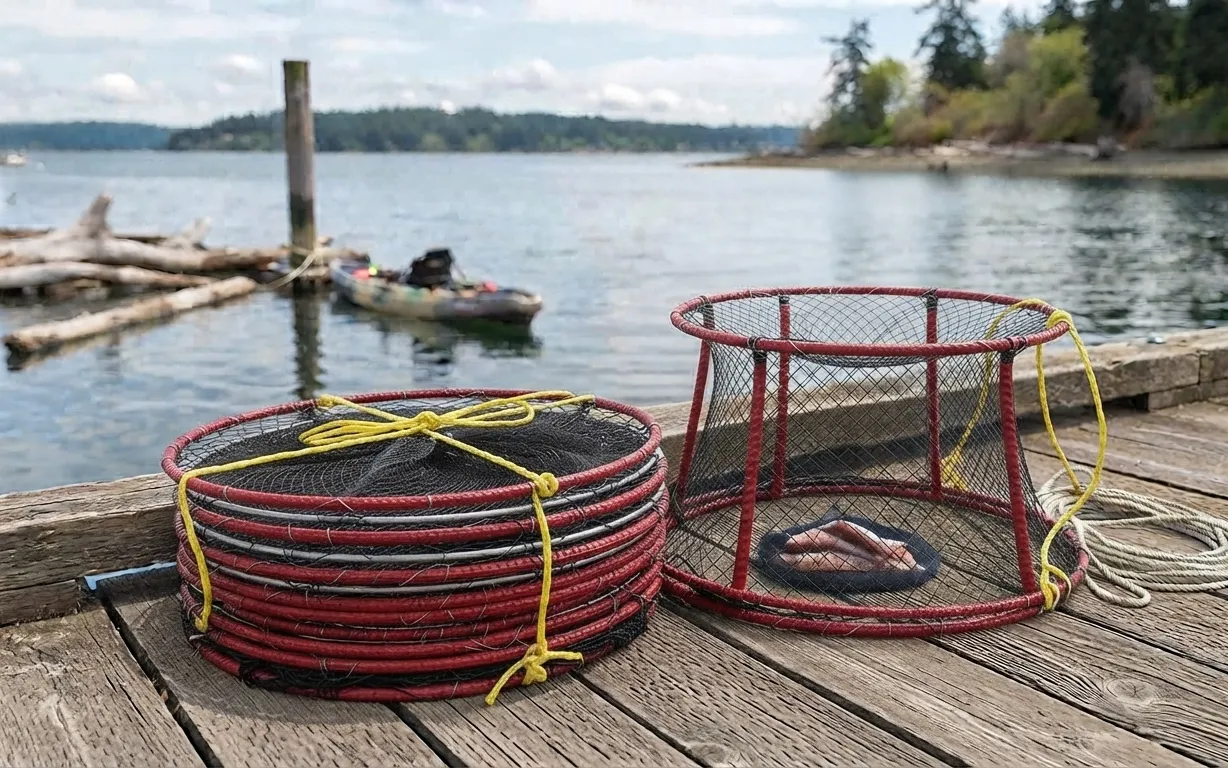
A versatile option for crabbers who need easy storage and mobility. These collapsible traps combine the convenience of ring nets with the structure of traditional traps, making them suitable for kayaks, small boats, and multi-location trips.
Dungeness crabs are opportunistic scavengers with a strong sense of smell. The best baits include:
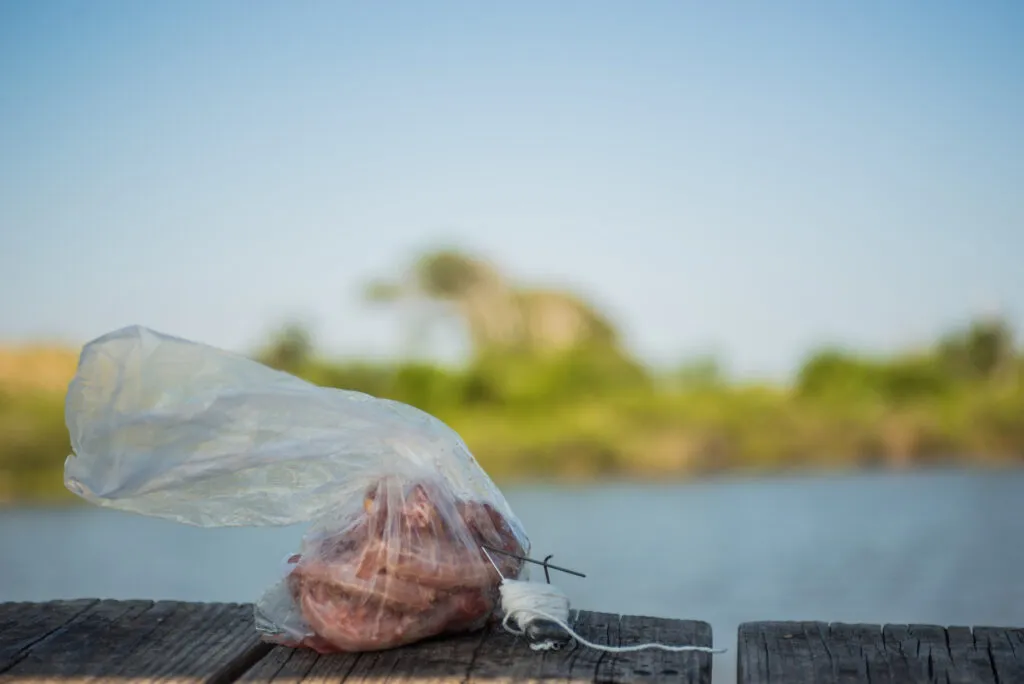
Chicken legs or thighs are highly durable, inexpensive, and emit a strong scent.
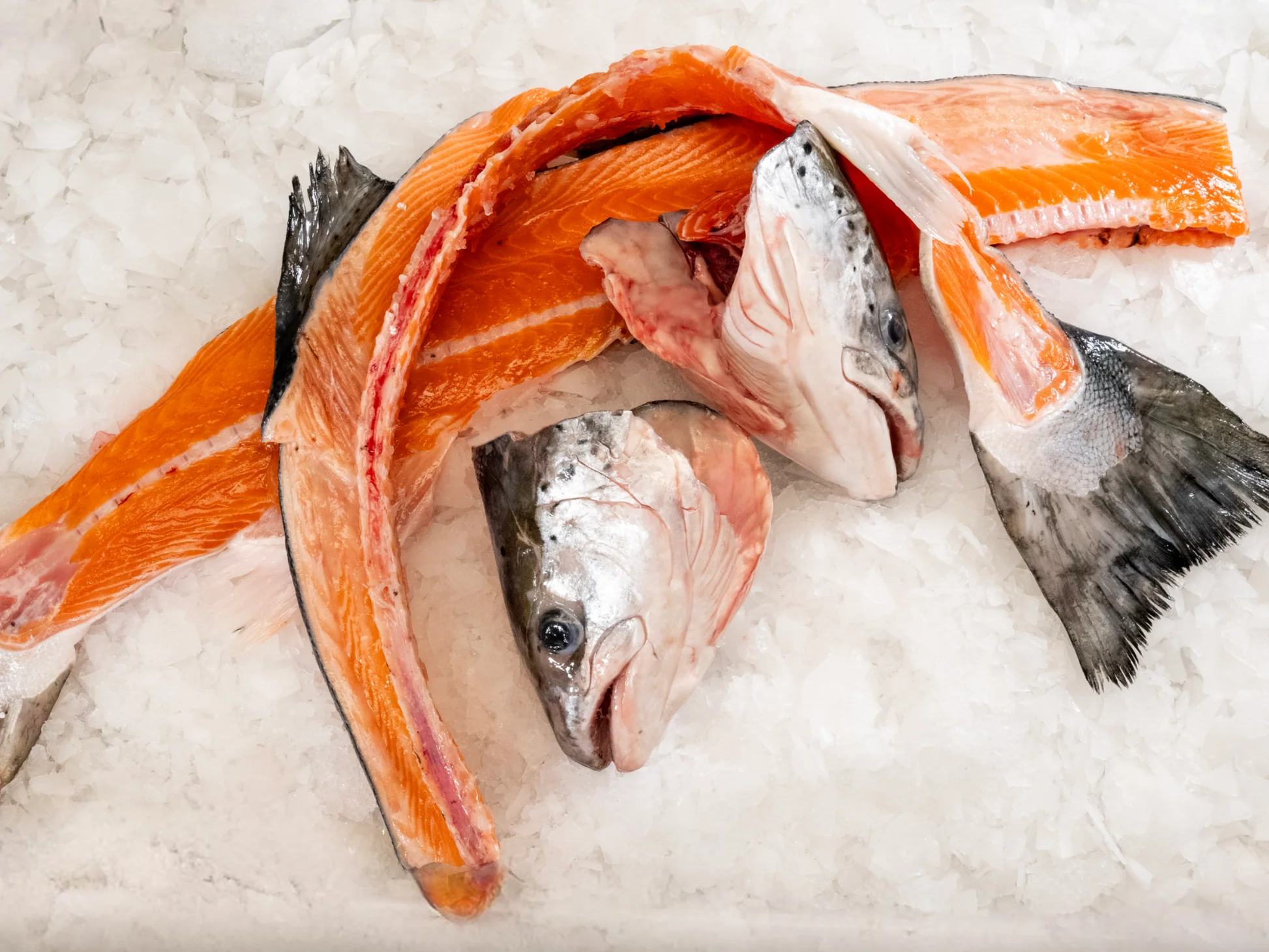
Extremely effective, especially during or right after the local salmon season.
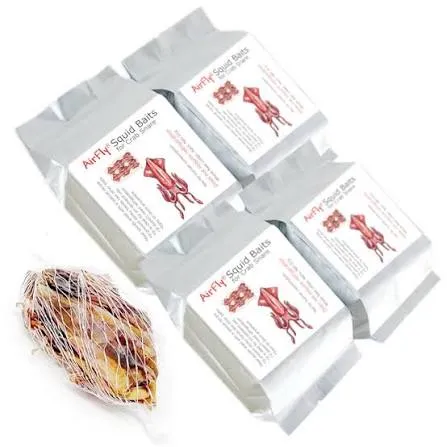
Tough, oily, and stays in the bait bag for a long time.
Pro Tip: Secure Your Bait
Always use a secure, zip-tied bait cage to prevent seals and starfish from stealing your bait before the crabs arrive.
If you're wondering where is the best place to catch Dungeness crabs on Vancouver Island, the island offers numerous productive locations tailored to different skill levels.
Let a local guide find the best drop-offs and eelgrass beds for you. Guided crabbing tours across Vancouver Island include gear, bait, and tide-savvy timing.
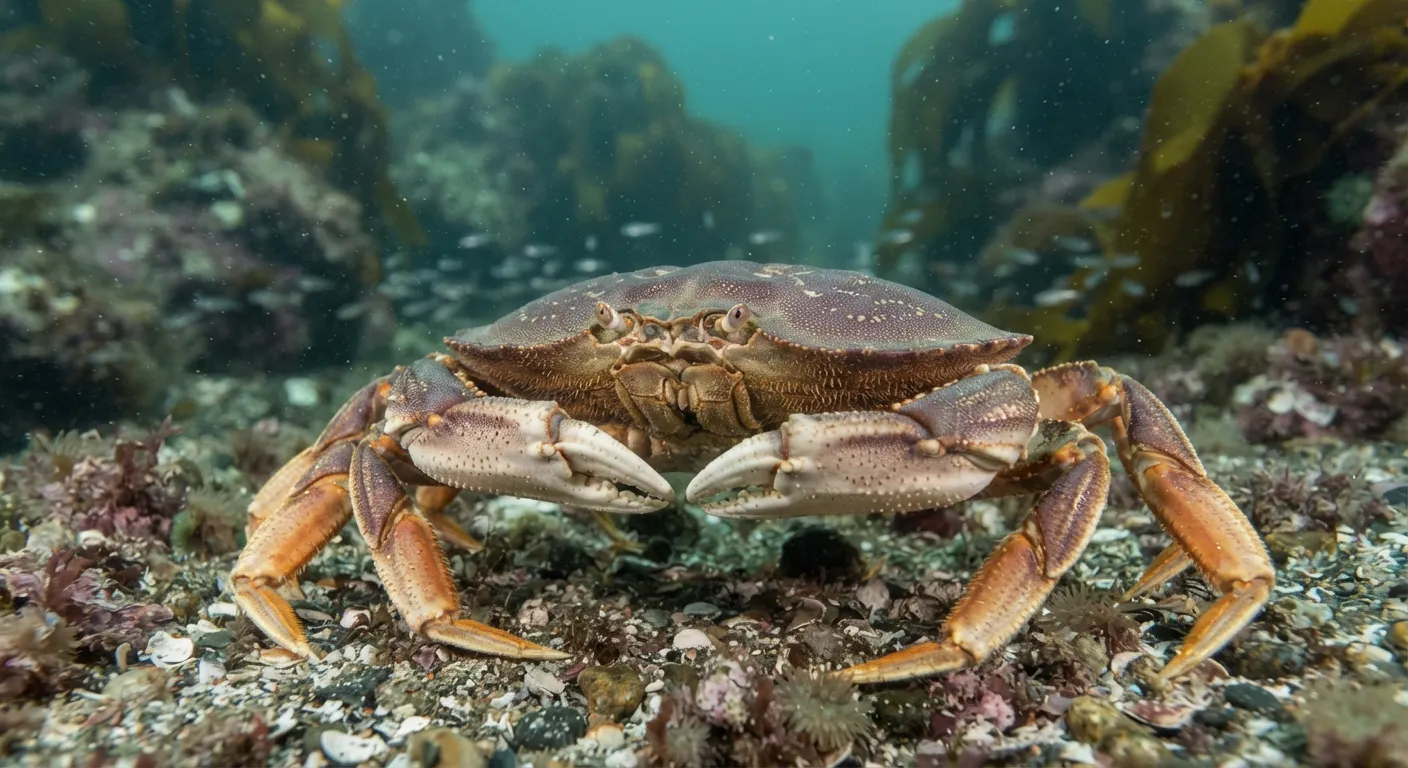
How to Store Dungeness Crab After Catching
Proper storage is essential to maintain the quality and safety of the meat.
Anyone fishing in tidal (salt) waters in British Columbia must possess a valid Tidal Waters Sport Fishing Licence, purchased online through the National Recreational Licensing System (NRLS) before your trip.
Your crab has to be measured immediately. At least 165 mm (6.5 inches) is required for a Dungeness crab.
Every female Dungeness crab must be released immediately. The female's abdomen is shaped like a "beehive" (broad and rounded), while the male's is shaped like a "lighthouse" (narrow and pointed).
Crab traps must have an entrance sewed shut with #120 untreated cotton thread (rot cord) so the trap opens if lost.
A daily bag limit of four Dungeness crabs per angler is standard in most areas of Vancouver Island.
Avoid these frequent errors that ruin trips for beginners.
Standard mesh bags tear easily. Seals and large fish will rip them open, leaving your trap empty.
Dropping traps during high tidal flows results in lost gear and zero catches. Always wait for slack tide.
Failing to measure immediately or keeping female crabs results in massive fines. Always carry a calibrated caliper.
Leaving traps more than 2 hours often means crabs eat all the bait, fight each other, or escape. Check every 30–45 minutes.
Never throw your catch back from a high pier. The impact can crack their shells and kill them. Lower them gently to the surface.
Discover salmon fishing, halibut charters, freshwater lakes, seasonal fishing guides, and the best fishing destinations across Vancouver Island.
Insights from island experts to help you make the most of every drop.
Never drop your traps during peak tidal exchanges — strong currents will drag pots across the floor, tangling lines and scaring away crabs.
Wrap chicken thighs in heavy-duty bird netting or wire cages, secured with zip ties, to keep the scent in the water without seals stealing it.
Crabs love to forage where sandy bottoms meet eelgrass beds or rocky drop-offs. Dropping your trap right on these transition lines increases your catch rate significantly.
Adding a piece of punctured, oily fish like herring outside the bait cage creates a wider scent trail that draws crabs in from further away.
Yes, anyone fishing in tidal (salt) waters in British Columbia must possess a valid Tidal Waters Sport Fishing Licence, purchasable online through the National Recreational Licensing System (NRLS) before your trip.
Lift the carapace, remove the gills and viscera, and rinse thoroughly. To cook, drop the live crab into heavily salted boiling water for about 15–20 minutes until the shell turns bright orange, then plunge it into an ice bath.
Dungeness crabs are larger with a brownish-purple shell and prefer sandy/muddy bottoms. Red Rock crabs are smaller with bright red, black-tipped claws and a harder shell, typically found in rocky intertidal zones; the minimum size for Red Rock is 115 mm.
It's best to clean and pick the meat before freezing, since freezing whole cooked crabs can make the meat stick to the shell and lose texture. Vacuum-sealing the picked meat yields the best long-term results.
Likely causes include too much current washing the scent away, heavy seal activity nearby, or a rocky bottom that keeps the trap from sitting flat, which blocks crabs from entering the funnels.