Complete Guide to Pacific Halibut Seasons, Charters & Top Spots (2026)
For anglers searching for reliable information about halibut fishing Vancouver Island, this guide provides everything needed to plan a successful trip. Vancouver Island offers some of the most productive Pacific halibut fisheries in North America, with consistent catches available through professional halibut charters Vancouver Island and independent fishing opportunities.
From halibut fishing Tofino and Ucluelet to Port Hardy and Campbell River, the island provides diverse access points for anglers of all experience levels. This guide covers seasonal timing, proven techniques, essential halibut fishing gear, and location-specific insights used by local guides and experienced anglers.
The island is famous for:
Vancouver Island's position along the Pacific continental shelf creates ideal conditions for Pacific halibut. Deep offshore grounds, nutrient-rich currents, and structured seabeds support healthy halibut populations year-round. The island's west coast, in particular, offers direct access to prime halibut habitat with minimal boat travel time.
Key advantages for halibut fishing spots on Vancouver Island include direct access to deep-water grounds, extended seasons, professional charters, and diverse trip options.
Key advantages for halibut fishing spots on Vancouver Island:

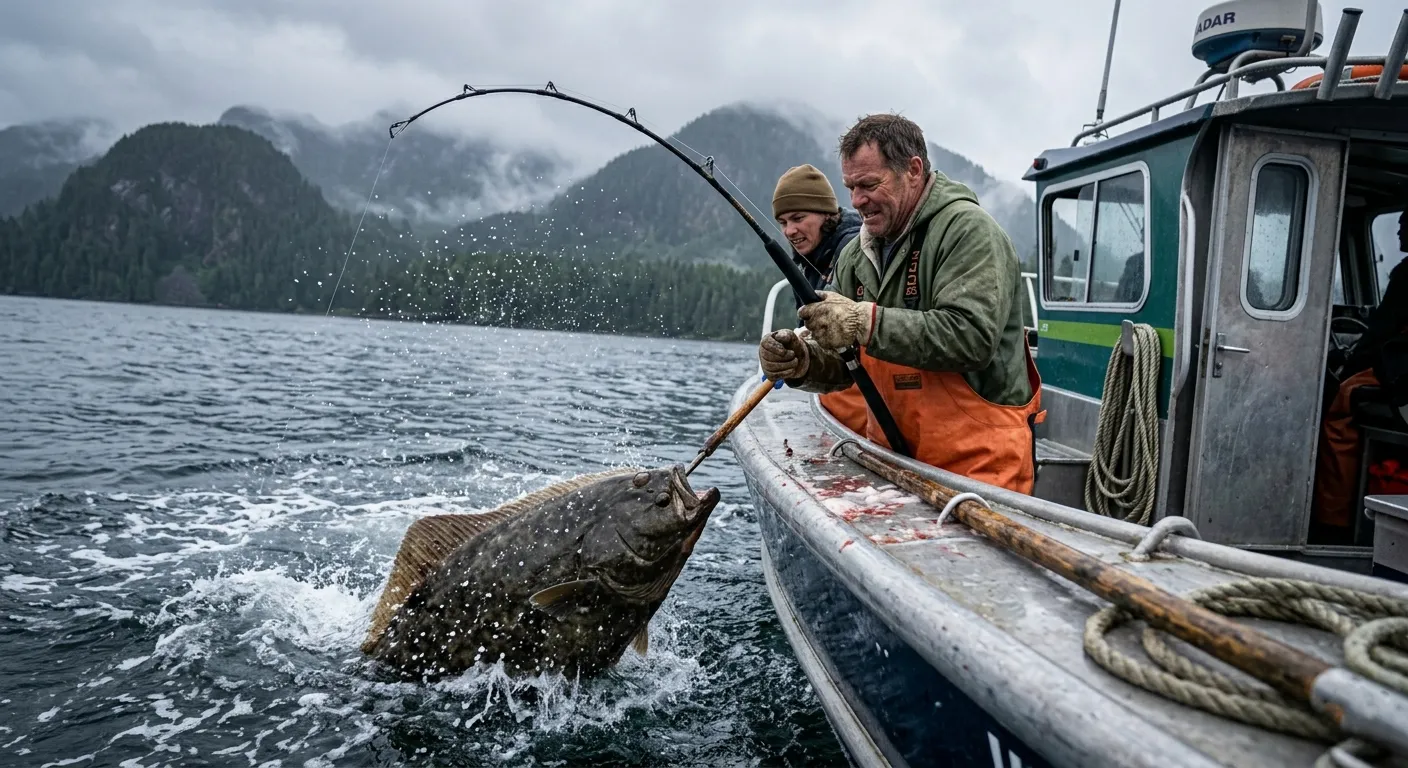
Pacific halibut are the largest flatfish species in the North Pacific and the primary target for sport anglers. They are powerful, bottom-dwelling fish that hold near structured seabeds, feeding on baitfish, squid, and crustaceans. Their aggressive strikes and exceptional fighting ability make them highly responsive to heavy bottom presentations and natural bait setups.
Looking for experienced Halibut fishing guides, charter outfitters, fishing lodges, or local fishing businesses? Browse trusted Vancouver Island fishing vendors and saltwater charter operators.
| Location | Best For | Access Type | Typical Charter Duration | Notes |
|---|---|---|---|---|
| Tofino | Offshore grounds, consistent action | Saltwater charter | 6–10 hours | West coast exposure; weather-dependent |
| Ucluelet | Deep-water access, large halibut potential | Saltwater charter | 6–10 hours | Close proximity to continental shelf |
| Port Hardy | Remote grounds, lower pressure | Saltwater charter | 8–12 hours | Northern location; wilderness experience |
| Campbell River | Combination trips, experienced operators | Saltwater charter | 6–8 hours | East coast; often paired with salmon |
| Sooke | Convenient south island access | Saltwater charter | 6–8 hours | Close to Victoria; good for day trips |
| Port Alberni | Barkley Sound access, protected waters | Saltwater charter | 6–10 hours | Inland departure; calmer conditions |
As water temperatures begin to rise, halibut move into shallower feeding grounds. This period offers less competition and strong early-season catches, particularly for anglers booking halibut charters near me.
The most reliable window for consistent halibut action. Stable weather, active feeding patterns, and longer daylight hours create ideal conditions. This is the optimal time for best halibut fishing Vancouver Island experiences.
Halibut feed aggressively before moving to deeper winter grounds. Fall trips often yield larger fish, though weather conditions require more flexibility.
Limited availability due to weather, but experienced charters still operate during favorable windows. Not recommended for first-time halibut anglers.
The most widely used technique involves dropping baited rigs to the ocean floor and maintaining contact while slowly working the presentation. This method targets halibut holding near structure or on sandy bottoms.
Vertical jigging with large metal jigs or soft-plastic baits can trigger aggressive strikes, particularly when fish are actively feeding. Halibut jigs weighing 8–16 oz are standard for deep-water applications.
Allowing the boat to drift naturally over known halibut habitat while maintaining bottom contact covers water efficiently. This technique works well when combined with electronic fish finders to locate structure.
When productive areas are identified, anchoring allows precise presentation over halibut holding areas. This method requires proper halibut anchor setup to maintain position in strong currents.
Successful halibut fishing setup requires specialized equipment designed for deep-water bottom fishing. Whether booking a charter or preparing your own halibut fishing gear, these fundamentals apply.
A heavy-duty halibut rod and reel combo rated for 50–80 lb line is essential. Conventional reels with strong drag systems handle the powerful runs of large halibut. Many anglers prefer electric halibut reels for deep-water fishing to reduce fatigue when retrieving from depths exceeding 200 feet.
Effective halibut rigs typically feature a heavy sinker (16–32 oz) with a sliding leader system. Circle hooks sized 12/0 to 16/0 are standard for safe catch-and-release compliance. Quality halibut hooks must withstand tremendous pressure without straightening.
Fresh bait significantly improves catch rates. Popular options include whole herring, Halibut, octopus, and squid. Many charters provide bait, but independent anglers should source fresh halibut bait locally before departure.
Selecting the right approach for halibut fishing trips depends on your experience level, available equipment, budget, and desired level of convenience.
Professional halibut fishing charters Vancouver Island are ideal for anglers who want to maximize their chances of success without investing in specialized offshore gear. Charter captains bring localized knowledge of productive halibut fishing spots, handle vessel navigation and safety protocols, provide properly configured halibut fishing gear, and ensure full compliance with current regulations. This option is particularly valuable for first-time visitors, families, or anglers seeking a hassle-free experience with expert guidance throughout the trip.
Experienced anglers who own or have access to offshore-capable vessels may prefer independent halibut fishing. This approach requires thorough familiarity with local marine conditions, knowledge of current halibut fishing season regulations, proper deep-water halibut fishing setup, and confidence in handling heavy tackle. Independent fishing offers greater scheduling flexibility and potential cost savings for repeat visitors, but demands significant preparation, research, and investment in appropriate halibut reels, rods, and terminal tackle.
Some Vancouver Island operators offer gear rental packages for experienced anglers with their own boats. This middle-ground option provides access to professional-grade halibut rod and reel combo setups and local spot knowledge while maintaining independence on the water.
Explore guided saltwater fishing trips, fly fishing adventures, charter experiences, and multi-species fishing tours across Vancouver Island.
Understanding the financial aspects of halibut fishing helps set realistic expectations for your trip investment and potential catch value.
Halibut fishing charters on Vancouver Island typically range from $300 to $800+ per person, depending on trip duration, group size, vessel type, and included services. Full-day offshore trips targeting deep-water grounds generally command higher rates than nearshore options. Many operators include rods, reels, bait, and basic tackle in the base price, while premium packages may add filleting, vacuum-packing, and transportation assistance.
Fresh Pacific halibut commands premium halibut price per pound rates due to limited commercial quotas, high restaurant demand, and exceptional eating quality. Retail halibut fillet price typically ranges from $25–$45 CAD per pound depending on season and source. Understanding current halibut market price trends helps anglers appreciate the value of a successful trip, though conservation-minded catch-and-release practices are strongly encouraged for sustainable fisheries.
Most charters offer on-board or dockside filleting services. Confirm halibut fillet price for processing when booking, and verify transportation regulations if crossing provincial or international borders with your catch. Note that possession limits and size restrictions apply regardless of market value.
Island Ethics
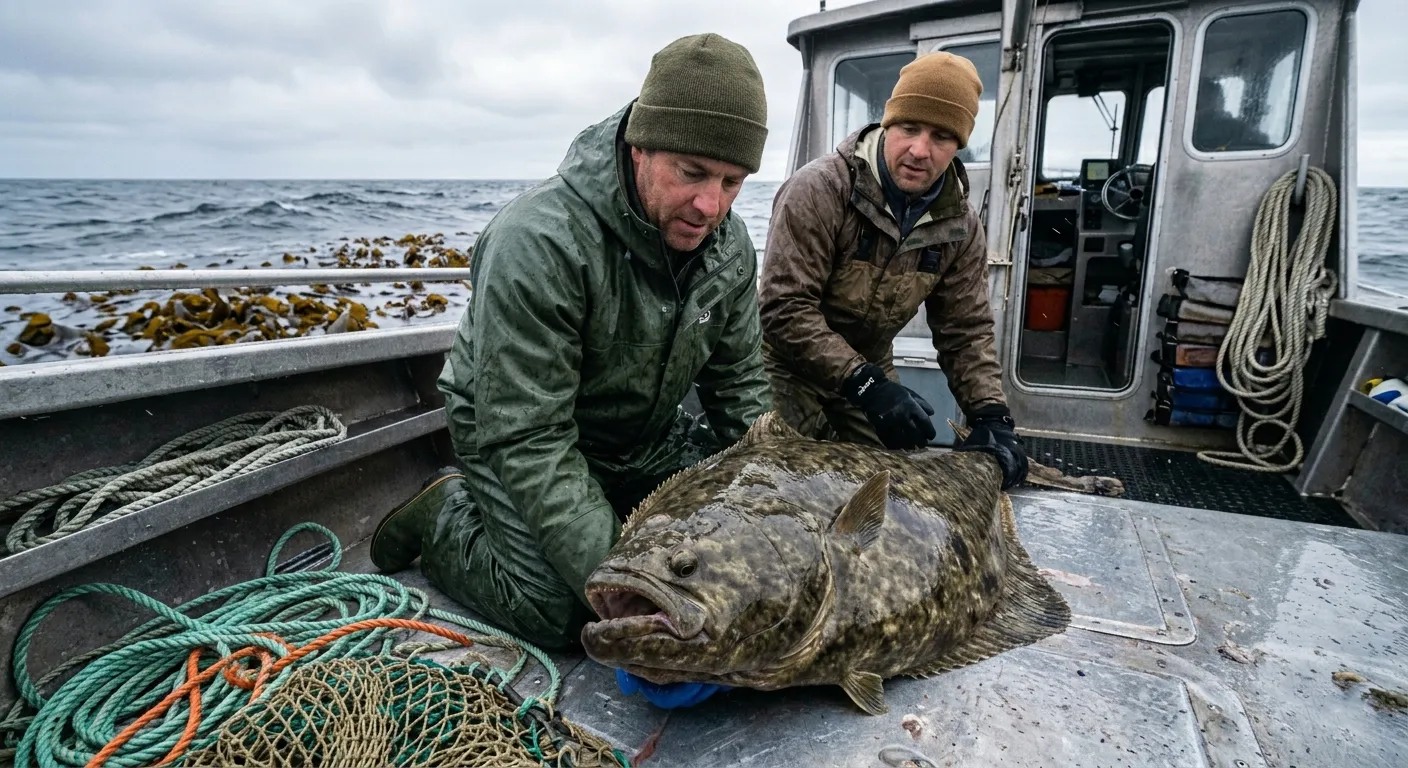
Following regulations and conservation practices ensures healthy halibut populations and sustainable fisheries for future generations of anglers.
Responsible halibut fishing requires strict adherence to regulations designed to sustain healthy populations.
Discover salmon fishing, halibut charters, freshwater lakes, seasonal fishing guides, and the best fishing destinations across Vancouver Island.
Insights from Vancouver Island guides to improve your halibut fishing results.
Moving water often triggers increased feeding activity.
Where halibut commonly hold and feed.
Change presentations if bites slow down.
Prime charter dates book months in advance.
Layer clothing and bring seasickness prevention.
Vancouver Island offers world-class halibut fishing opportunities accessible from multiple coastal communities. Success depends on timing your trip during peak seasons, selecting appropriate locations, and preparing with proper gear or professional charter support.
Before your trip:
Verify current fishing regulations and licensing requirements
Book halibut charters Vancouver Island early for peak summer dates
Confirm what gear, bait, and processing services are included
Prepare for coastal weather with appropriate clothing and safety gear
Review catch handling and transportation guidelines if keeping fish
June through August offers the most consistent action and favorable weather, though productive fishing occurs March through October depending on conditions.
Yes. A BC tidal waters fishing license plus a Pacific Halibut Catch Limit endorsement is required for all anglers targeting halibut.
Shore-based halibut fishing is extremely limited due to depth requirements. Most successful halibut fishing requires boat access to offshore grounds.
Fresh herring, Halibut octopus, and squid are proven options. Bait freshness significantly impacts catch rates.
For most anglers, yes. Professional charters provide expertise, equipment, and access that dramatically improve success rates compared to independent attempts.
Size and possession limits change annually. Always verify current regulations with Fisheries and Oceans Canada before your trip.
Check with local charter operators, marine radio broadcasts, and the BC Fishing Regulations app for current conditions and bite reports.
Not universally, but conservation-minded release of undersized or excess fish is strongly encouraged. Some areas or seasons may have specific release requirements.