Area 23 Roundtable navigates through precarious waters to sustain salmon
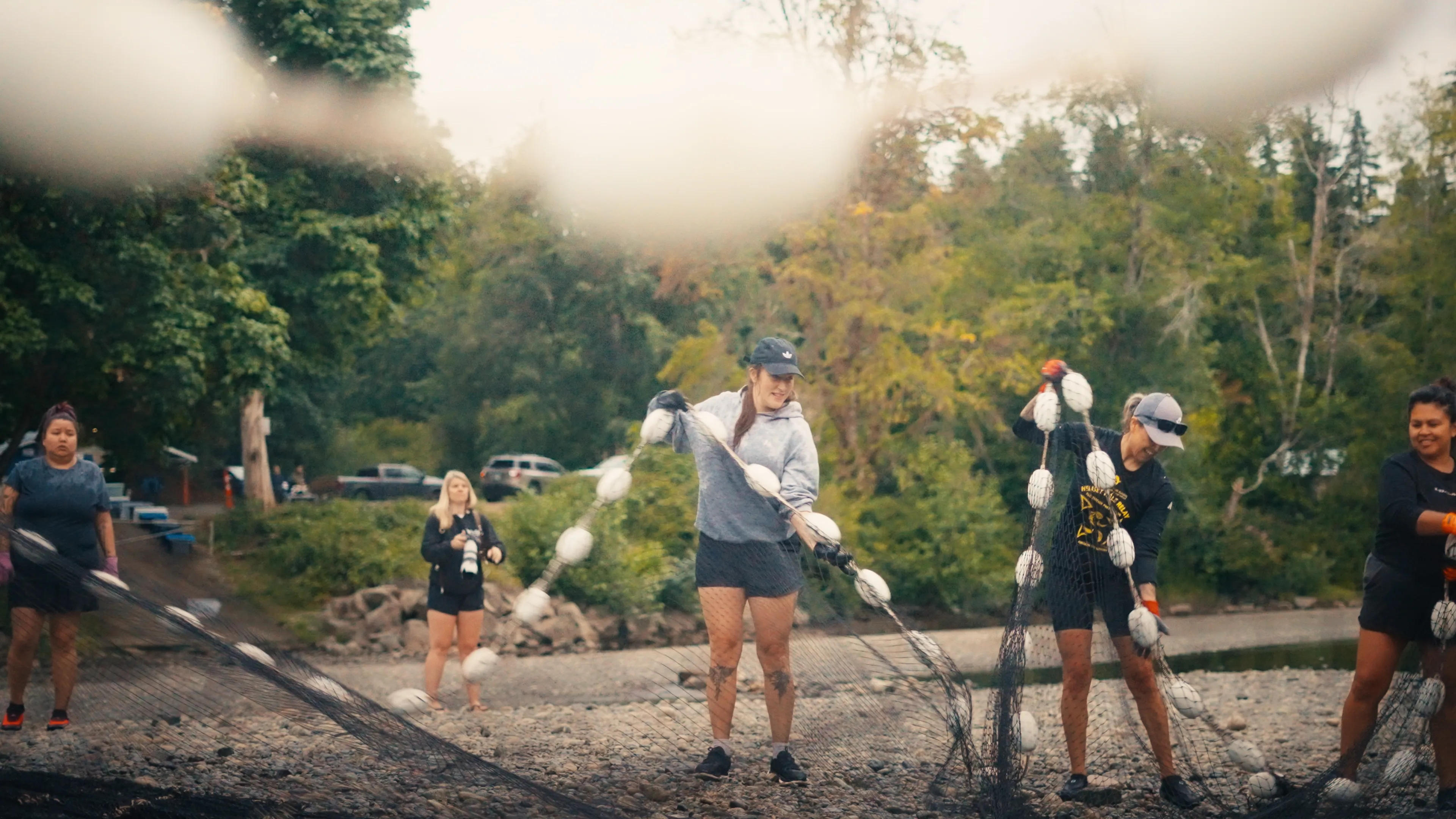
Port Alberni, BC In an era when Pacific salmon remains in a precarious state and some see their right to fish under threat, a Port Alberni-based fisheries table is promoting its model as an example of collaborative resource management. Each year over a million salmon migrate from the Pacific Ocean into Barkley Sound on the west coast of Vancouver Island, funneling their way down the Alberni Inlet, destined for their origin in the Somass and Stamp River watershed.
It’s a time-honoured procession that has sustained the region’s Indigenous people for thousands of years, while feeding heavy-duty commercial boats and making the area a sought-after destination for recreational anglers. But there is only so much salmon, and by the mid 2000s years of fractured dealings with Fisheries and Oceans Canada (DFO) had created “significant conflict” among the different harvest groups in the region known as Area 23.
“The conflict (political, social, legal) was exacerbated by First Nations and sectors each having separate bilateral conversations with DFO, creating a zero-sum game environment,” stated West Coast Aquatic, a Vancouver Island-based natural resource management organization. “There were confrontations on the dock, there were confrontations on the water,” said Tawney Lem, who serves on West Coast Aquatic’s board or directors.
” In an effort to ensure that all sectors had enough opportunity to harvest sustainably, the Area 23 Roundtable was established in 2005. This was around the time when DFO released its Wild Salmon Policy, making Area 23 British Columbia’s first fishing region to host a formal group who meet regularly to plan harvest management.
During the spring and summer fishing season the Area 23 Roundtable meets every week, with representation that includes the commercial seine and gillnet fleets, the Tseshaht and Hupacasath First Nations, the Maa-nulth treaty nations, DFO, the Barkley Salmon Working Group and the Sports Fishing Advisory Board. “The history of the fisheries has always been adversarial. Along with Lem, Johnson shared his thoughts in The Roundtable , a new film about the regional management group.
The seven-minute film was produced by Salmonberry Studios and funded by West Coast Aquatic, which has facilitated the Area 23 Roundtable for the past decade. Twenty-one years since DFO released its Wild Salmon Policy, the species continues to struggle. C. and the Yukon below their long-term average spawner abundances,” states a report released this year from the Pacific Salmon Foundation.
Despite some impressive returns in 2025, there remains “a backdrop of sustained declines over the past two decades,” noted the PSF’s State of the Salmon report. As DFO undertakes a multi-year review of it’s Salmon Allocation Policy, some fear they will lose their share of a declining resource. C. 2 million sockeye returned to Area 23 in 2026, with approximately 140,000 chinook and smaller numbers of coho, chum and steelhead. According to catch numbers reported by DFO, as of Oct.
8 nearly half a million sockeye were caught in Area 23 this year, with another 93,169 chinook harvested. The Somass First Nations of Tseshaht and Hupacasath caught 26 per cent of this sockeye and 39 per cent of the chinook, while the Area D gillnet fleet claimed a quarter of the total sockeye harvest and 23 per cent of chinook, and commercial seine boats got 37 per cent of sockeye and 16 per cent of chinook.
Recreational fishers caught over 36,000 sockeye and 16,364 chinook, representing seven and 18 per cent of the total catches. David Murphy grew up fishing in the Port Alberni area, and makes a living from the recreational industry. Although a diversity of sectors are represented on the Area 23 Roundtable, they all share the desire for the species to survive year after year.
“We all want lots of fish, we want more fish,” said Murphy during a recent public discussion on the new film at Char’s Landing in Port Alberni. “We seem to have a steady line,” he said during the public discussion. ” “When we talk about more fish, it doesn’t just mean catching more fish.
It means making sure that there’s more fish making its way, so that we have more in the future,” added Tseshaht Fisheries Manager James Laflamme about the purpose of the Roundtable. “Although we do represent our own user groups, it builds a mutual respect between each other. ” “The management that’s critical is in the sockeye fisheries,” said Murphy. ” Unlike the smaller sockeye, wild chinook salmon have not been able to sustain a fishery on their own.
Nearly all of the chinook caught originate from the Robertson Creek hatchery, which incubates millions of eggs each year and raises juvenile salmon for release into the Stamp and Somass River system. “For whatever reason, our fish that spawn in the gravel don’t survive,” commented Murphy of the chinook’s struggles. ” Despite this reliance on the hatchery, Laflamme remains optimistic. “Compared to globally, we’re killing it,” he said.
” Laflamme reflected on the success of this year’s catch for the Somass First Nations. “Seven dollars a pound dockside for salmon this year equated to - just on the First Nations fishery alone - 40,000 pieces…$5 million cash into the local economy that helps sustain businesses, families and this community as a whole,” he said. ” But the business is harder than it used to be, reflects Johnson.
A fisher can no longer rely on a single species, needing to diversify what’s being harvested to sustain a livelihood. “My dad fished from Feb. 1 until the end of November,” continued Johnson, who grew up in Huu-ay-aht territory around Bamfield. ”
Source:
View Original Article